
Responsible Gift-Giving: 7 Ideas

Christmas has always been a season of giving, of time, attention, hospitality, and care. But in much of today’s world, the meaning of “giving” has become increasingly entangled with consumption. Physical gifts dominate, often overshadowing the deeper purpose of connection and community.
This trend is striking when viewed alongside global spending patterns. In the United States, holiday gift expenditure reached $1,012 per person in 2024, one of the highest figures ever recorded. Almost as many Americans planned to increase their holiday spending (19%) as those planning to spend less (23%), a gap not seen since 2000. Retail analyses predict a 5–6% growth in holiday sales, continuing a decades-long upward trend despite economic uncertainty and a worsening climate outlook.
The picture is similar across Europe. In the UK, adults purchase an average of 14–20 gifts, while children receive 10–15 presents each Christmas, depending on age and household income. In Sweden and Germany, surveys show that many children receive 15–18 gifts, though they typically play with only a handful for more than a few days. A considerable share end up unused, returned, or discarded shortly after the holidays.
On a planet already strained by overconsumption, where Western lifestyles require the resources of 4 to 9 Earths to sustain themselves, these patterns matter. Christmas amplifies the ecological footprint of the wealthiest societies, often producing more waste, emissions, and impulse buying than any other cultural event.
Yet this doesn’t mean that gifting should disappear. The act of giving and receiving is deeply human. It can be a gesture of love, recognition, and gratitude. The shift we need is not to abandon gifts, but to restore intention, meaning, and responsibility to the tradition.
Below are seven conscious, beautiful, and sustainable ways to give gifts, followed by new insights into how attitudes toward circular gifting are changing.
Seven Responsible & Meaningful Gift Ideas

1. Give an Experience
Experiences create memories, not waste: a theatre ticket, a dinner, a workshop, a spa treatment, a guided walk, or even a day planned entirely by you. These gifts last far beyond the moment of unwrapping.
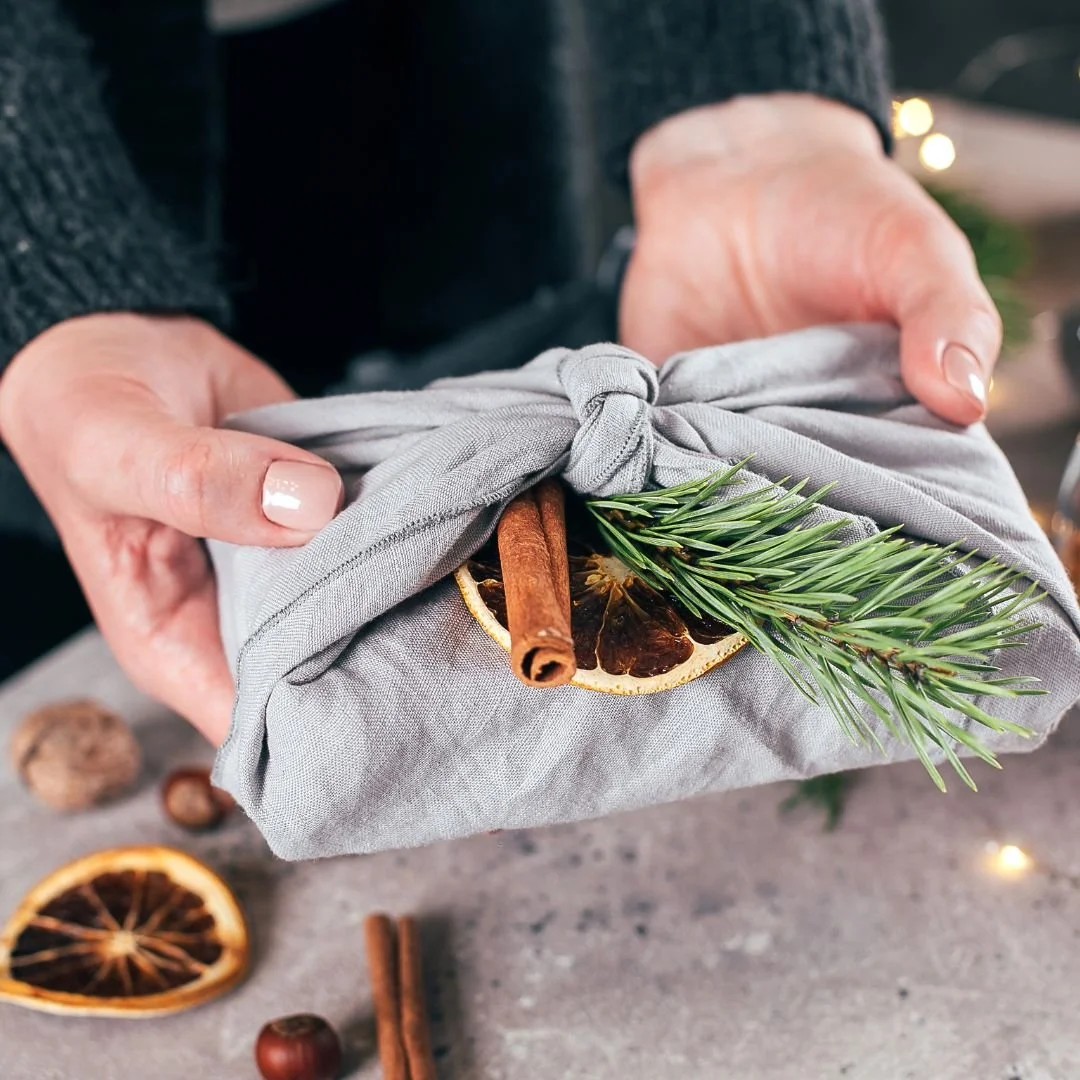
2. Give a Second-Hand or Circular Gift
Attitudes towards second-hand gifting are changing rapidly. A major 2025 survey from Sellpy Sweden shows:
92.3% would happily receive a second-hand Christmas gift
But only 86.1% would give one, a phenomenon the report calls “Julglappet” (“the Christmas Gap”)
What motivates people to buy second-hand gifts?
Affordability: 70%
Uniqueness: 69%
Sustainability: 68%
Climate and economics also matter:
49% choose second-hand for environmental reasons
48.8% do so because rising prices increase interest in circular shopping
Yet 60% hesitate to give second-hand gifts because they fear the recipient won’t appreciate them, even though the data clearly shows most people would. The most popular second-hand categories are clothing, accessories, homeware, books, electronics, and games.
3. Make Something Yourself
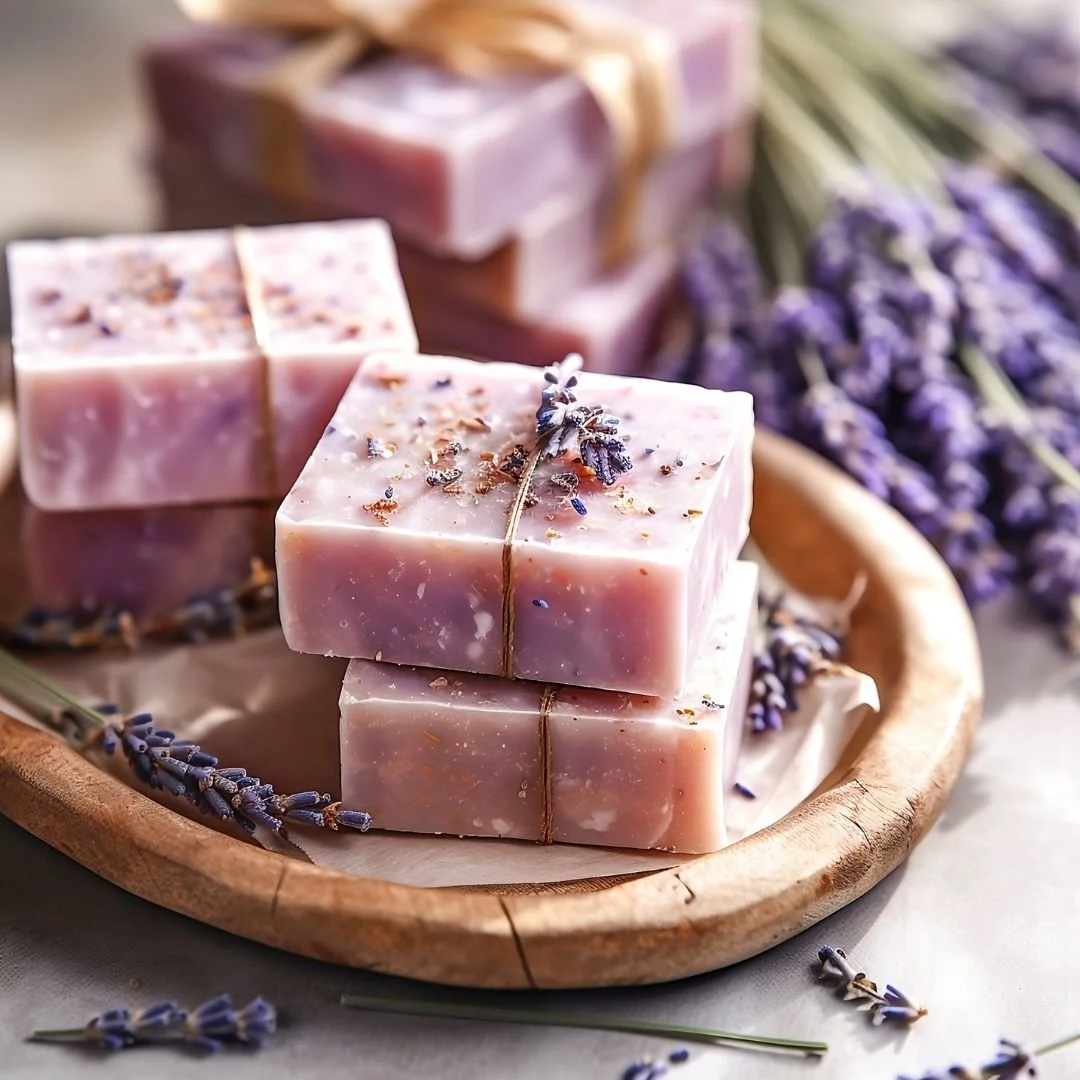
Time is the most personal gift. Homemade food, artwork, a knitted scarf, a playlist, a poem, a repaired item, or a photo album all show intention and care.
4. Support Artisans and Craftsmanship
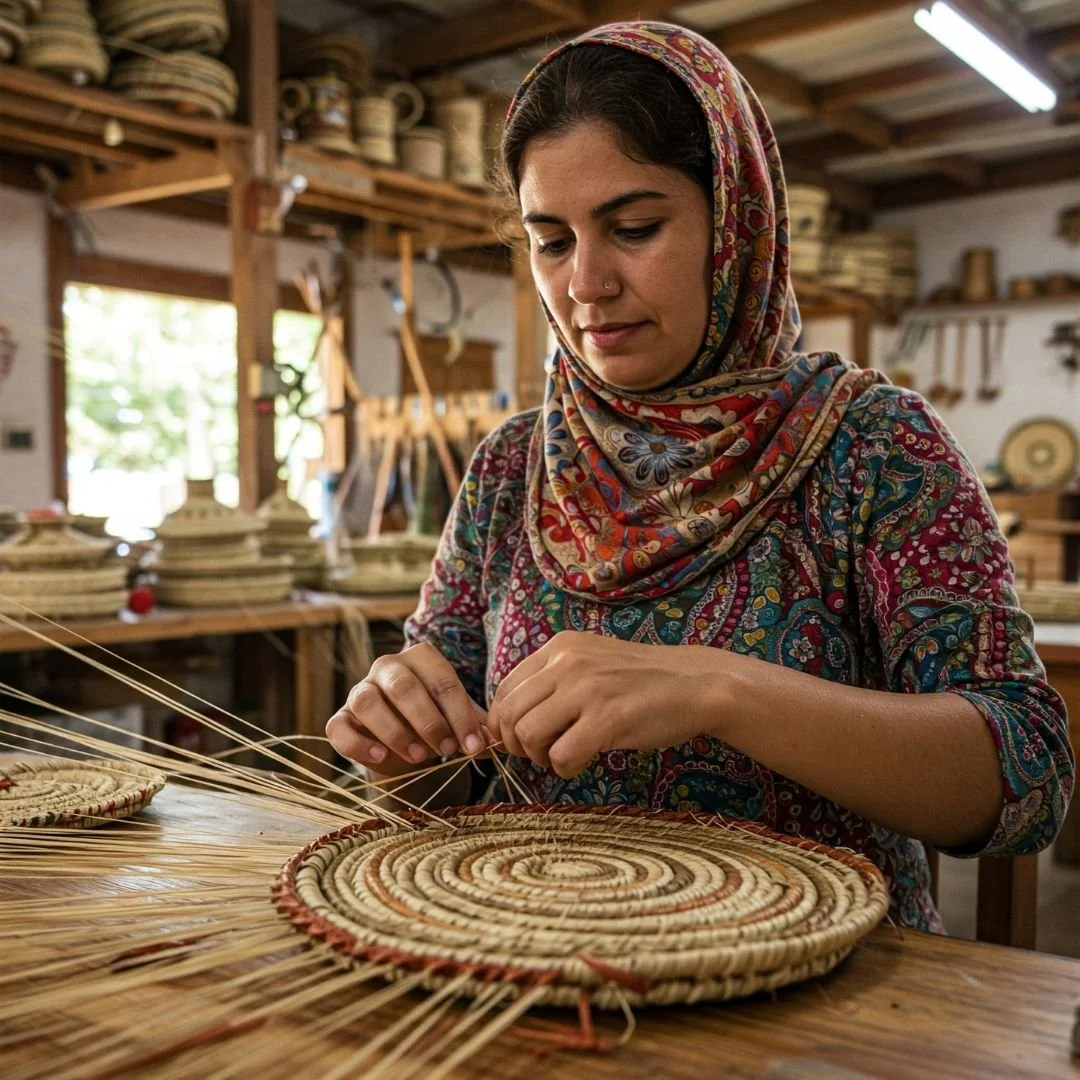
Local craftspeople produce gifts with soul: ceramics, jewellery, textiles, candles, soaps, and woodwork. These items support independent artisans and preserve traditional skills.

5. Give Fairtrade, Organic, and Edible Gifts
Edible gifts reduce waste and are almost always appreciated. Luxury chocolate, tea, coffee, olive oil, spices, or festive foods make excellent presents, with fairtrade and organic options supporting ethical production.

6. Choose Responsible Brands
If buying something new, prioritise companies committed to sustainable materials, transparency, craftsmanship, repair programmes, and longevity. Check out our Brand guide for recommendations!
7. Give a Physical Gift That Is Also an Experience
Some physical objects spark creativity, engagement, and connection, gifts that invite participation rather than passive consumption. Examples include:
A vinyl record player or set of LPs
An analogue camera
A puzzle or mechanical model
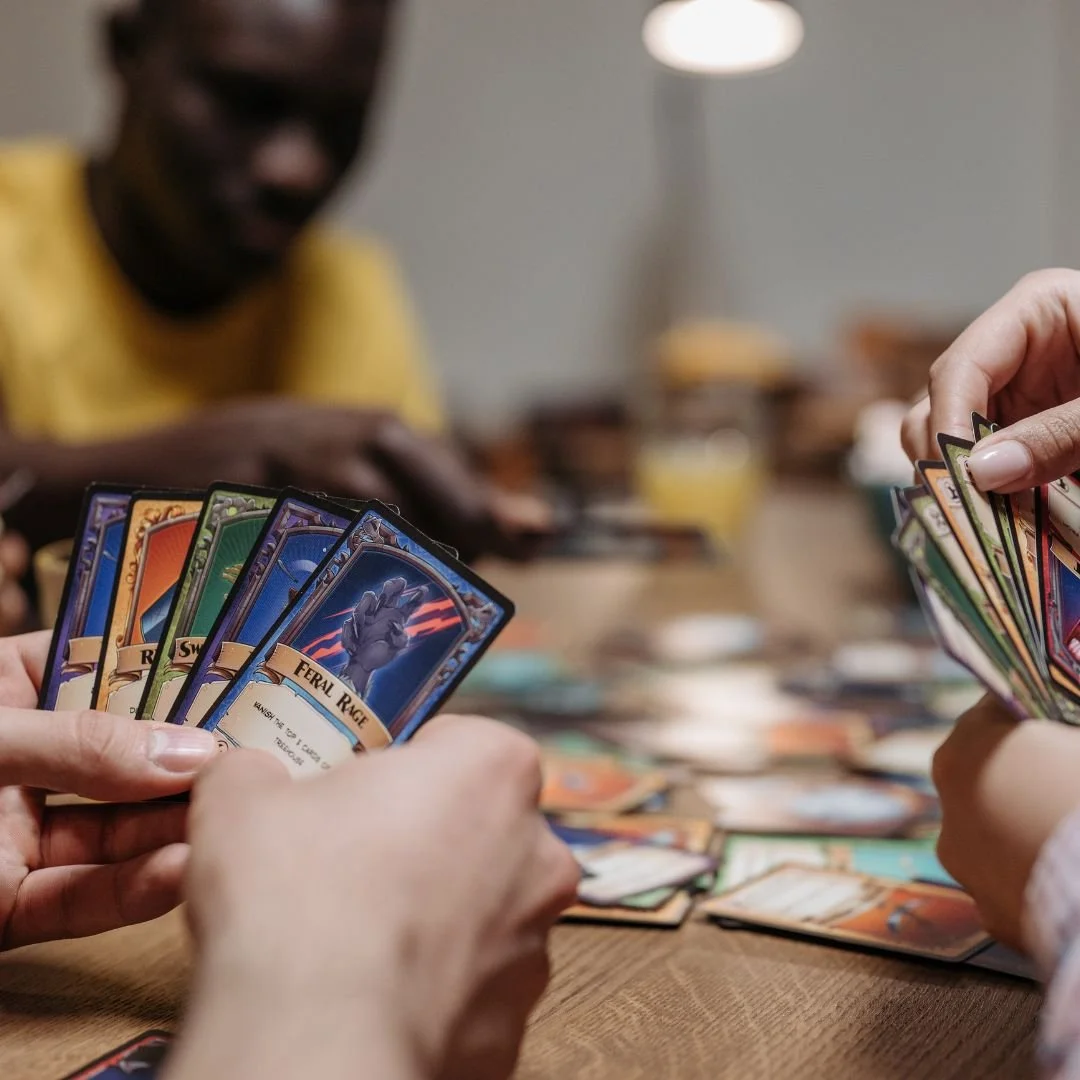
A board game or strategy game
A DIY or craft kit
A gardening or growing set
These items are tangible, yet experiential. They invite slowness, ritual, interaction, and shared enjoyment—qualities that align beautifully with a more intentional holiday season.
Towards a More Meaningful Christmas
When we look at the data, a clear story emerges: people want to give more responsibly. Circular gifts are becoming mainstream, driven by climate concerns, economic realities, and shifting cultural norms. Yet habits and fears, especially the fear that a second-hand gift won’t be appreciated, still hold many back.
Christmas doesn’t need fewer gifts. It needs better ones. Gifts chosen with care, aligned with values, and designed to bring lasting joy rather than momentary novelty can transform the season. They reduce waste, strengthen relationships, and help us live within the boundaries of our planet. In a world of rising consumption, choosing differently is an act of hope. A slower Christmas is possible. A more meaningful one, too.