
Plant-Based Christmas: Why It Matters and How to Get Started
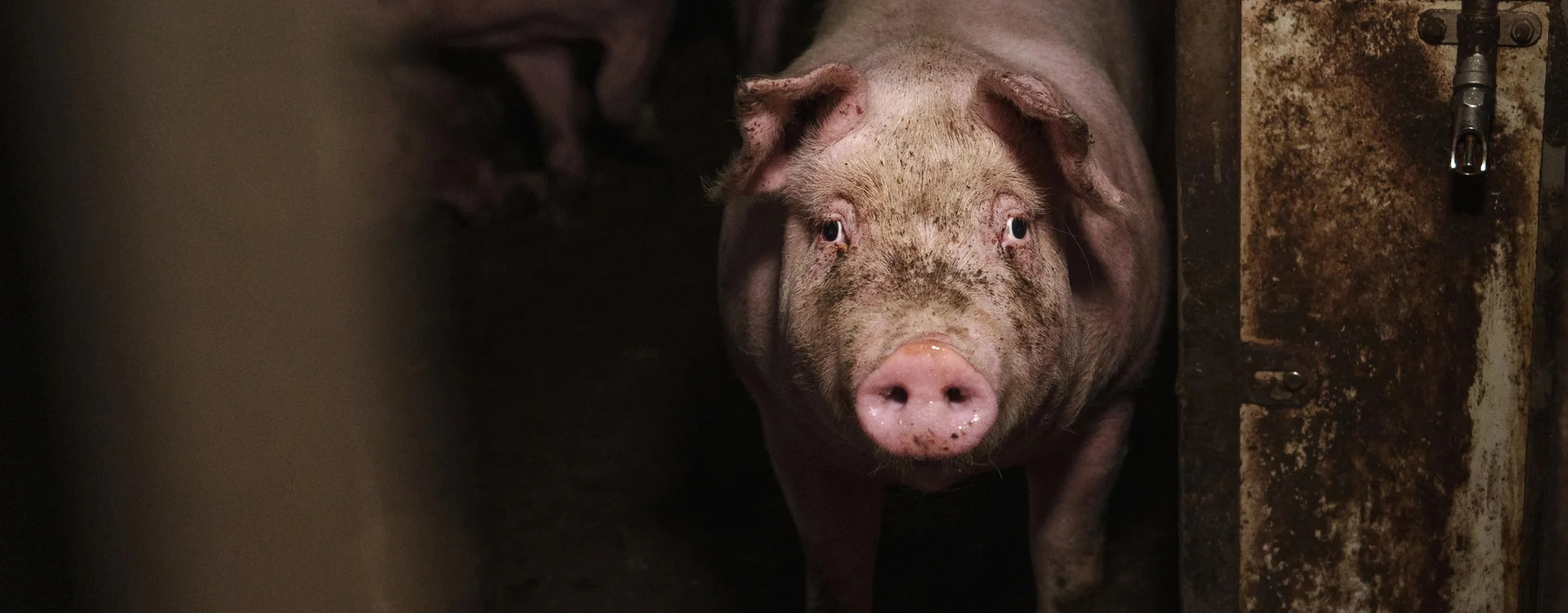
Photo: Djurens Rätt
Every year, humans kill more than 80 billion land animals for meat alone, mostly chickens, ducks and pigs, and that number has been rising steadily for decades. When we add farmed fish and other aquatic animals, the total easily exceeds 100 billion animals killed annually. That means hundreds of millions of animals every single day.
Most of these animals live and die in conditions that few of us would be comfortable seeing.
In the United States, recent estimates suggest that around 99% of farmed animals live in factory farms – vast “concentrated animal feeding operations” where animals are confined indoors for much of their lives.
Globally, analyses suggest that roughly three-quarters of land animals raised for food, and the vast majority of farmed fish, are kept in similarly intensive systems. When fish are included, around 94% of all farmed animals are thought to live in factory-farm conditions.
In Sweden alone, about 2.5–2.6 million pigs are slaughtered each year, and animal-welfare groups estimate that around 97–99% of them are kept indoors their entire lives, never able to root in soil or see the sun. Much of the “classic” Christmas fare, ham, sausages, meatballs, comes straight from this system.
From a planetary perspective, the picture is just as stark. Wildlife now accounts for only about 5% of all mammal biomass on Earth; humans and our livestock make up the other 95%. Our food system has literally reshaped the living world around us. So when we talk about “Christmas food”, we’re not just talking about nostalgic recipes. We’re talking about our complicity in one of the largest and most violent industrial systems in history, and therefore about one of the biggest opportunities to change course.

Why animal-based Christmas food is such a problem
1. Animal suffering on an unimaginable scale
Even if we focus just on land animals, tens of billions spend their short lives in cramped sheds, cages or feedlots, often with little enrichment, no access to outdoors and routine mutilations (beak-trimming for hens, tail-docking for pigs) carried out largely for management convenience.
Christmas demand intensifies this: spikes in sales of ham, turkeys, prawns, pâté and cream translate directly into more animals bred, confined and killed. Because most consumers never see the inside of a shed or slaughterhouse, the violence remains hidden behind festive packaging.
2. Climate, land and water
Animal agriculture is responsible for around 29.7 of global greenhouse gas emissions. It also drives deforestation, water pollution and biodiversity loss, largely because animals require vast quantities of land, feed and water.
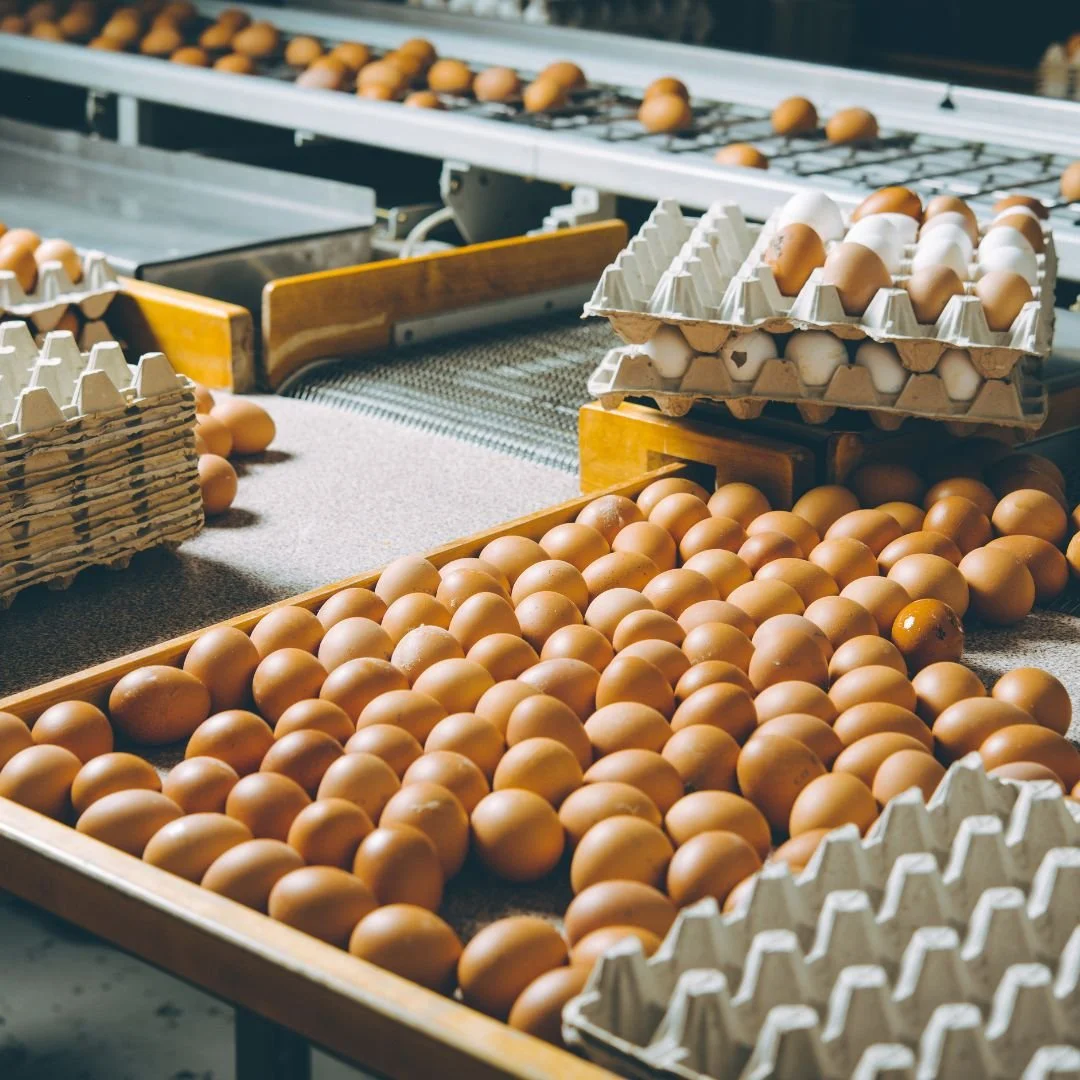
Growing crops to feed animals instead of people is inherently inefficient.
Rich, high-income countries eat far more animal products per person than the global average, giving them disproportionate responsibility – and power – to shift demand.
A plant-based Christmas table, by contrast, can massively reduce emissions and land use while still feeling rich and celebratory.
3. Public health and pandemics
Factory farms create ideal conditions for the spread of disease: high densities, genetic uniformity, chronic stress and poor air quality. This increases the risk of zoonotic diseases jumping from animals to humans, and of antibiotic resistance driven by routine use of antibiotics to keep stressed animals alive in sub-optimal conditions.
At a time when health systems are already stretched, and antibiotic resistance is a recognised global threat, continuing to expand intensive animal farming is a dangerous bet.
4. Justice and Just Transition
The harms of animal agriculture are not evenly distributed. Rural communities often endure pollution and odour; workers face low wages and dangerous conditions; small farmers are squeezed by corporate consolidation; and the worst climate impacts land on those who have contributed least to the problem.
A Just Transition away from factory-farmed animals towards plant-based and genuinely agro-ecological systems is therefore about:
reducing animal suffering,
supporting farmers through change,
restoring ecosystems, and
making healthy, plant-rich food affordable and accessible.
Christmas, a moment when we already reflect on values like compassion and solidarity, is a powerful place to start living that transition.
What does a plant-based Christmas look like?
Moving away from animal products doesn’t mean giving up celebration. It means re-imagining the menu.
Classic elements, re-done
You can recreate almost every traditional component in plant-based form:
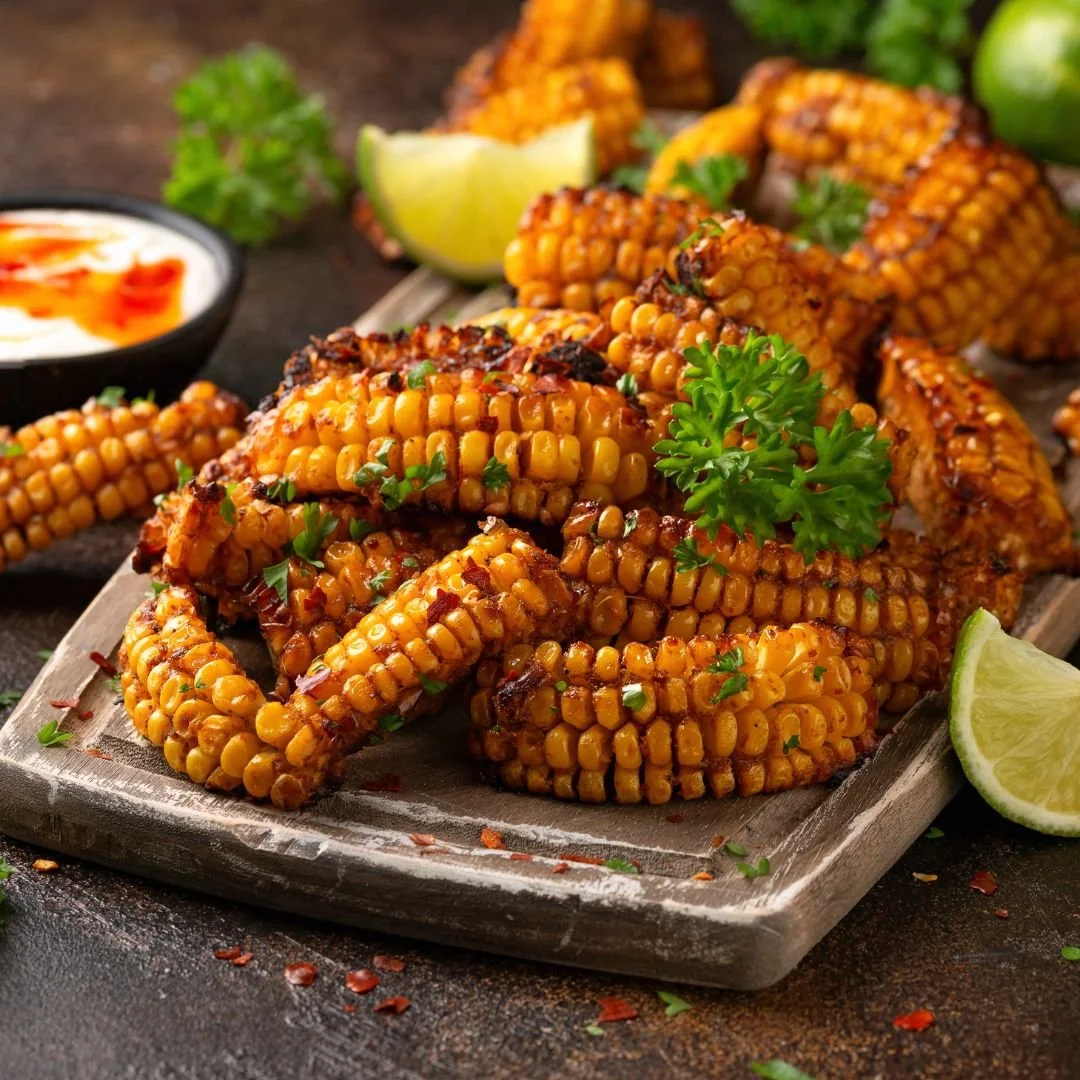
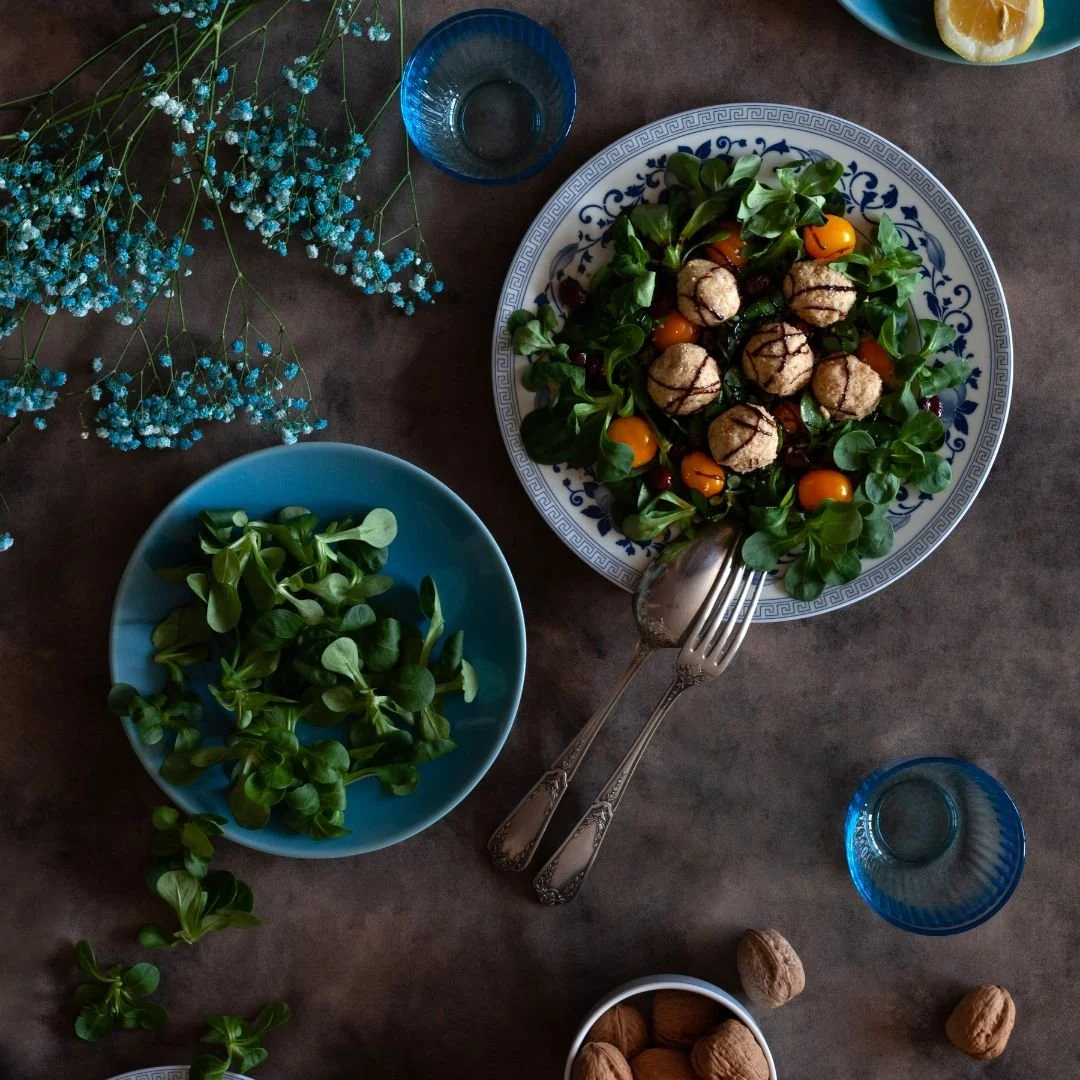
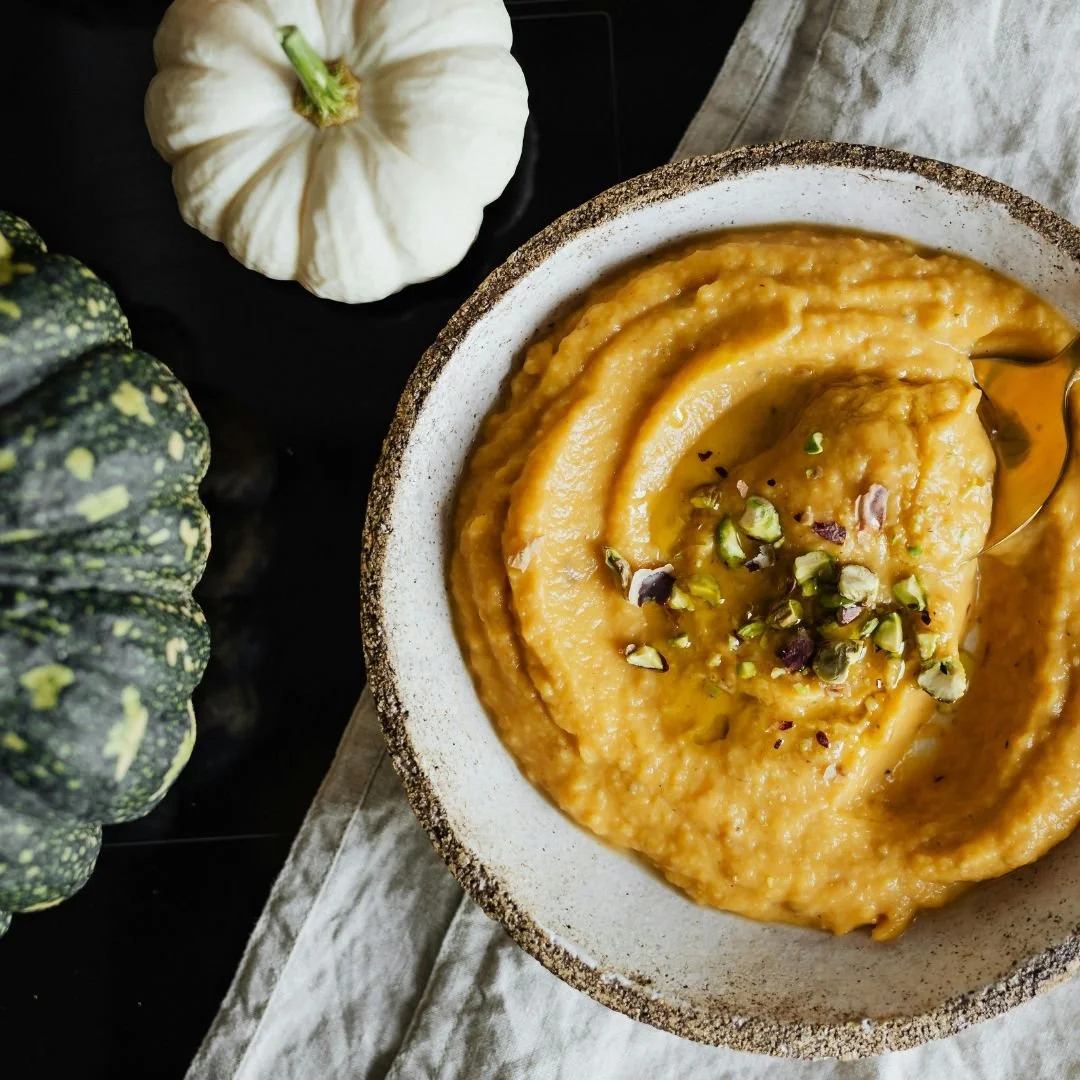
Centrepieces: nut roasts, mushroom or lentil Wellington, stuffed squash, seitan roasts, whole roasted cauliflowers or celeriac.
Potatoes & veg: perfectly crisp roast potatoes, Brussels sprouts with nuts and cranberries, maple-glazed carrots, red cabbage braised with apples.
Savoury “classics”:
UK/US: plant-based pigs in blankets, mushroom gravy, vegan stuffing balls.
Sweden: vegansk “julskinka” (often based on tofu or seitan), vegan “köttbullar”, Jansson made with oat cream and smoked tofu instead of anchovies, pickled aubergine or tofu as “sill”.
Germany: tofu–walnut roasts, seitan “gulasch”, roasted red cabbage and potato dumplings.
Desserts: Christmas pudding, stollen, truffles, mince pies, cookies and gingerbread all have well-tested vegan versions now.
Most supermarkets in high-income countries now carry plant-based creams, butters, cheeses and pastry, which makes swapping dairy out of family recipes surprisingly straightforward.
Where to find plant-based Christmas recipes and products
Here’s a non-exhaustive starting map by region – useful to link in your article so readers can act immediately.
United Kingdom
BBC Good Food – Vegan Christmas Recipes – Over 100 recipes, from nut roasts to puddings.
The Vegan Society – Christmas recipes & dinner guides – Starters, mains, desserts and supermarket product guides (e.g. nut roasts, mushroom Wellingtons).
Veganuary UK – Vegan Christmas hub – Advent calendars, high-street product round-ups and easy recipes.
Sweden
Välj Vego – Veganska julrecept – Vegan “sill”, “köttbullar”, gravad morot, and other Julbord classics.
Coop – Vegansk julmat – Supermarket-friendly Swedish Christmas recipes (vegan Jansson, “skinka”, sweets).
Yipin – Vegansk julmat (tofu-baserade recept) – Vegan “ribbs”, Jansson with smoked tofu, gratins.
United States
Rainbow Plant Life – Vegan Christmas Recipes – Detailed, high-end recipes (Wellington, lentil shepherd’s pie, mains and sides).
PETA – Vegan Holiday & Cookie Recipes – US-style mains, sides and a huge cookie collection for exchanges and parties.
Veganuary (US audience) – Same global hub, but many recipes use ingredients widely available in North America.
Bringing values back to the table
The numbers are overwhelming: tens of billions of animals, most in factory farms; ecosystems reshaped around livestock; and climate, health and justice crises all entangled with what ends up on our plates.But numbers also signal opportunity. If most of this suffering and damage is caused by our food system, then transforming what and how we eat, starting with cultural “hotspots” like Christmas, is one of the most powerful levers we have.
A plant-based Christmas doesn’t ask us to give up joy. It invites us to align joy with compassion:
keeping the rituals, flavours and togetherness,
letting go of the parts that depend on cruelty and overconsumption,
and showing that celebration can be generous to people, animals and the planet at the same time.