
Sustainable Fashion in 2025
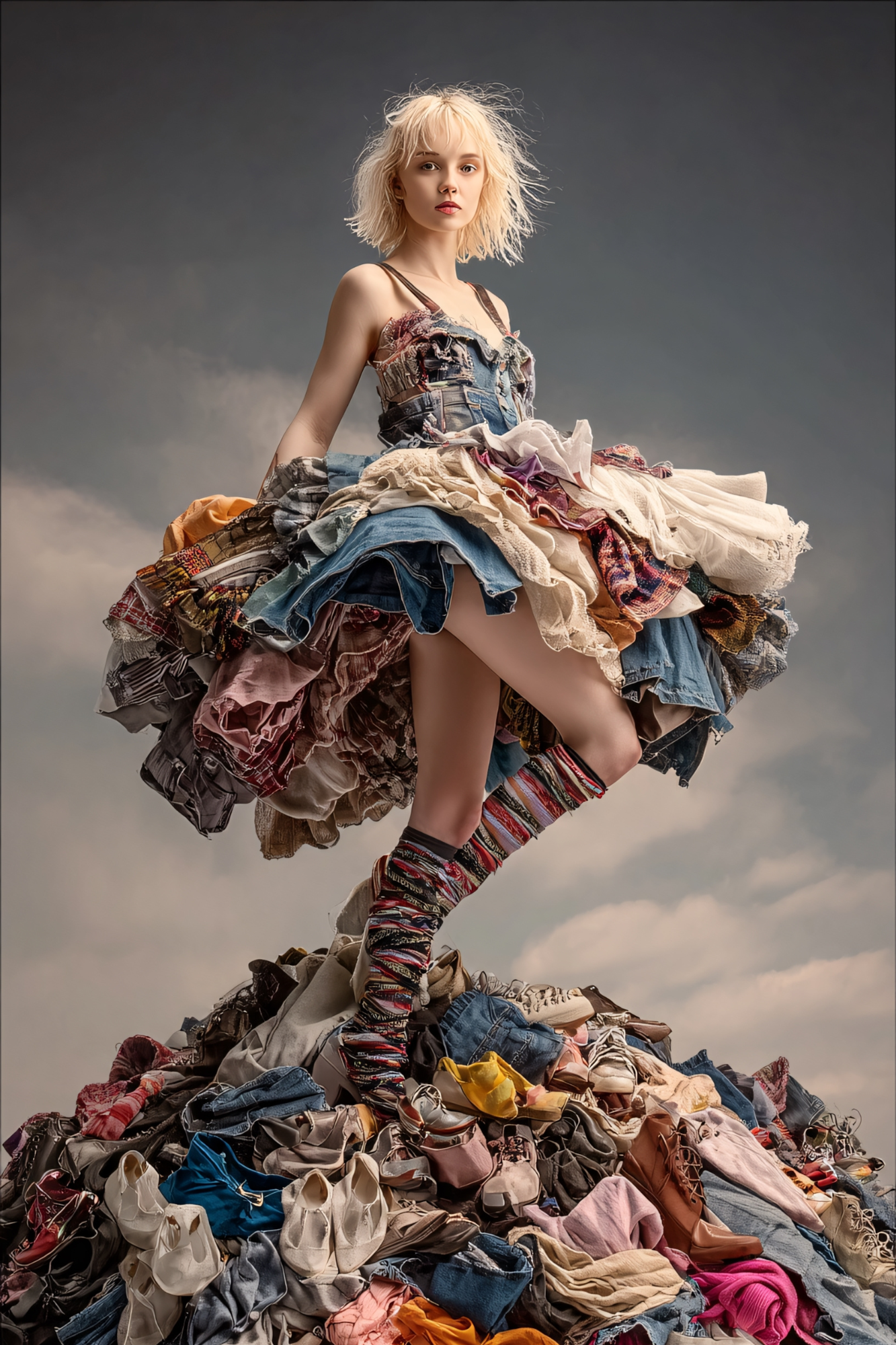
As 2025 draws to a close and we step toward 2026, we want to take a moment to reflect.
There is no denying that 2025 has been a difficult year for many. We have witnessed escalating conflicts and geopolitical shifts, democratic backsliding, a worsening climate crisis, and the rollback of many pro-sustainability agendas. Much of the global political focus has been directed toward increasing GDP growth, accelerating AI development, and expanding military defence. This reality is far from the world we wish to see, and far from one where human rights, ecological limits, and a regenerative and circular economy are prioritised.
As advocates for a fashion system and closets that meet human needs and rights without compromising nature or non-human life, this distance feels particularly heavy. We believe in fashion that allows individual diversity of expression, and an industry rooted in creativity, cultural richness, and care rather than extraction and exploitation. At times, that vision feels further away than ever. And yet, there is movement.
In parts of the world, we are seeing real shifts. More people are questioning the fast-fashion, buy-and-waste culture that has dominated the industry for decades. Reuse, repair, and pre-loved fashion are no longer niche or stigmatised. Second-hand is increasingly normalised across income groups, ages and styles, not as a compromise, but as a conscious choice.
Sustainable Fashion Wins from 2025
Despite the challenges, here are some developments worth acknowledging:
Growth of second-hand and resale markets continued globally, with resale becoming one of the fastest-growing segments of fashion.
EU textile legislation progressed, including stronger frameworks for textile waste collection, extended producer responsibility (EPR), and durability requirements.
Repair and mending gained visibility, with more repair cafés, sewing circles, and brand-led repair initiatives emerging.
Greater scrutiny of greenwashing, with regulators, journalists and consumers increasingly challenging false sustainability claims.
More open conversations about overproduction, calling into question the idea that sustainability can coexist with endless growth.
Cultural shifts in style, where repeating outfits, re-styling, and wearing clothes longer are increasingly celebrated rather than hidden.
These changes may feel small in the face of global crises, but cultural shifts matter. They are often where bigger systemic change begins.
Starting 2026 with a More Sustainable Closet
Here are a few ways to enter the new year with intention:
Clean out and organise your closet
Taking stock of what you already own can be grounding and often reveals that you already have more than enough.Sell or pass on what you don’t need
And consider starting the year with a resolution to buy only second-hand for the first few months of 2026.Engage socially with clothing
Join a sewing group, repair circle, or clothing swap. Fashion doesn’t have to be solitary or transactional.Dress as you
Maybe that means more colour, more tradition, more play, or more simplicity and minimalism. A new year is a chance to redefine your relationship with clothes on your own terms.Join the movement
Subscribe (to various organisations) to, support, or donate to organisations working for textile workers’ rights, slow fashion, and systemic change. Individual actions matter, but collective action is where real power lies.
These are darker times than many of us have known. That makes rest, reflection, and rebuilding capacity essential. As we move into 2026, we do so with the intention to keep organising, keep questioning, and keep working toward the world we believe in, together.
Take care, rest well, and see you in the new year.