
Beyond Leather: Why the Future of Fashion Must Evolve
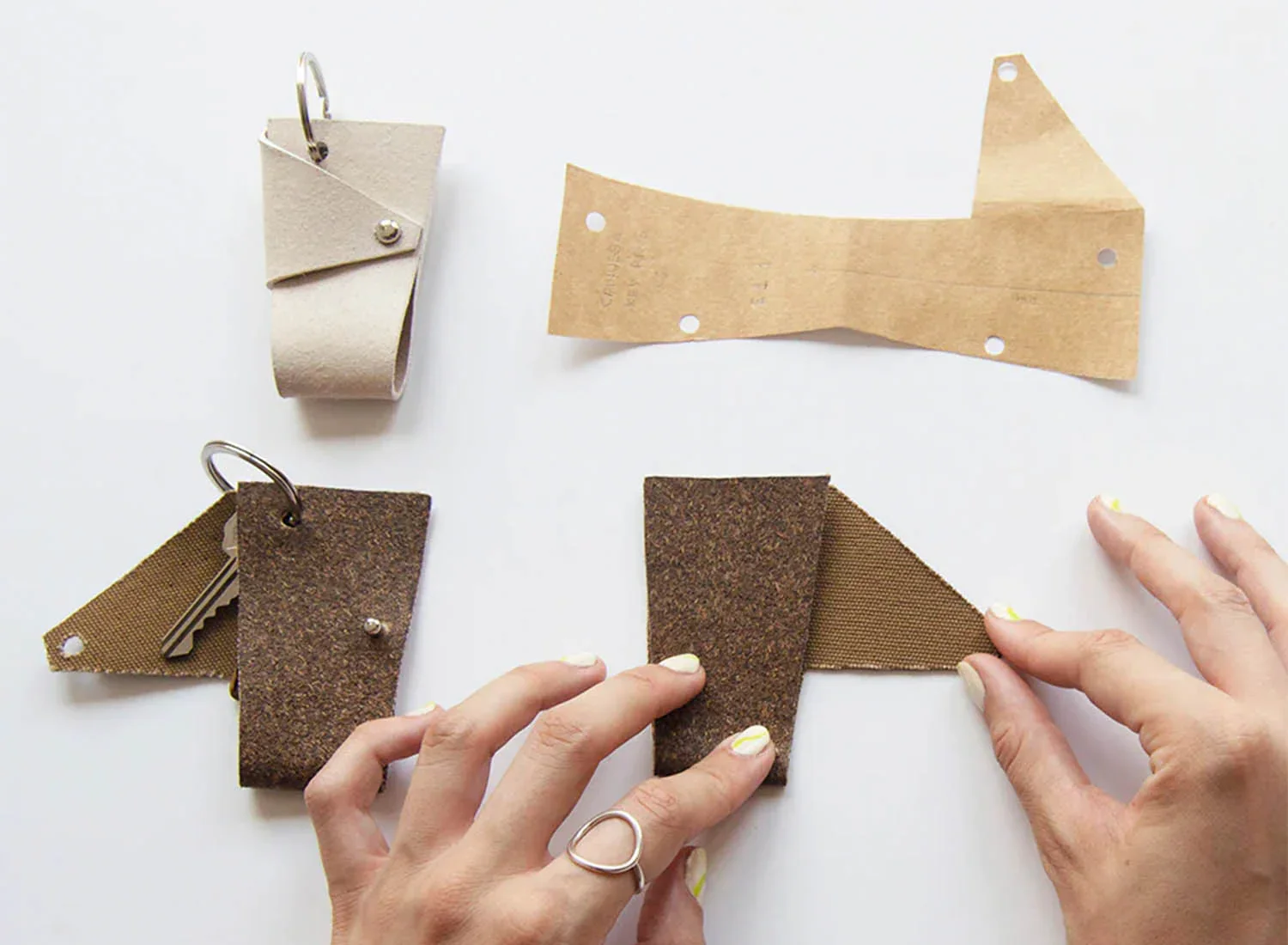
Leather has long been woven into the fabric of human civilisation. From early protective garments to luxury handbags, its durability and tactile quality have given it a near-mythical status. But while leather may feel timeless, the system that produces it today is anything but benign. Modern livestock farming, industrial tanning, and globalised supply chains have transformed leather into one of the world’s most environmentally and socially harmful materials. As new, innovative textiles emerge, it is time to ask whether leather still has a place in a responsible and compassionate fashion industry.
The environmental burden of leather begins long before a hide reaches a tannery. Cattle farming alone accounts for 14.5% of global greenhouse gas emissions, with cows responsible for roughly two-thirds of that figure according to the FAO. The land required to raise these animals contributes directly to deforestation; in the Amazon basin, cattle ranching is the single largest driver of forest loss, causing around 80% of deforestation. Even when hides are described as a “by-product” of the meat industry, the economics tell a different story. Leather is a valuable commodity in its own right, part of a global market worth more than 400 billion USD and revenues from hides increase the profitability of raising and slaughtering animals. As long as leather remains lucrative, its production continues to support systems that exploit animals and strain ecosystems.
The problems intensify in the tanning stage. Roughly 85–90% of the world’s leather is chrome-tanned, a process that relies on toxic chemicals, including chromium VI, which is carcinogenic. Industrial tanneries often operate with poor environmental controls, especially in regions with limited regulation. Communities surrounding tannery clusters in Bangladesh, Pakistan, and India have been documented to suffer increased rates of respiratory illness, skin disease, cancer and contaminated drinking water. Workers handle hazardous substances without adequate protection, earning little and risking their health for a global industry built on opacity.
Leather production is also extraordinarily water-intensive. When considering cattle rearing and processing combined, a single hide can require up to 17,000 litres of water. This level of resource use stands in stark contrast to the regenerative and circular models the industry now claims to pursue.
In response to growing scrutiny, many brands have introduced so-called “eco-leather,” often vegetable-tanned or chromium-free. These improvements are relevant but limited. No matter how the tanning process evolves, leather always begins with an animal. It always involves methane emissions, land use, slaughter, and a resource-intensive agricultural system. “Sustainable leather” can reduce some risks, but it cannot solve the root issue: the environmental and ethical cost embedded in every hide.
Yet acknowledging the harm does not require erasing leather’s historical importance. For millennia, leather served communities because it was what they had access to: a material derived from animals already hunted for survival. The problem is not leather’s past, it is its present scale. Billions of animals are now raised and killed each year for hides, often in industrial conditions that would be unrecognisable to the ancestors who once tanned skins by hand. Today’s leather industry bears little resemblance to those small-scale traditions.
What has changed even more profoundly is the arrival of new material technologies. For the first time in history, we have the tools to create high-quality, durable, beautiful materials without relying on animals or fossil fuels. It is no longer a choice between cow leather or plastic; innovation has opened the door to a third path.
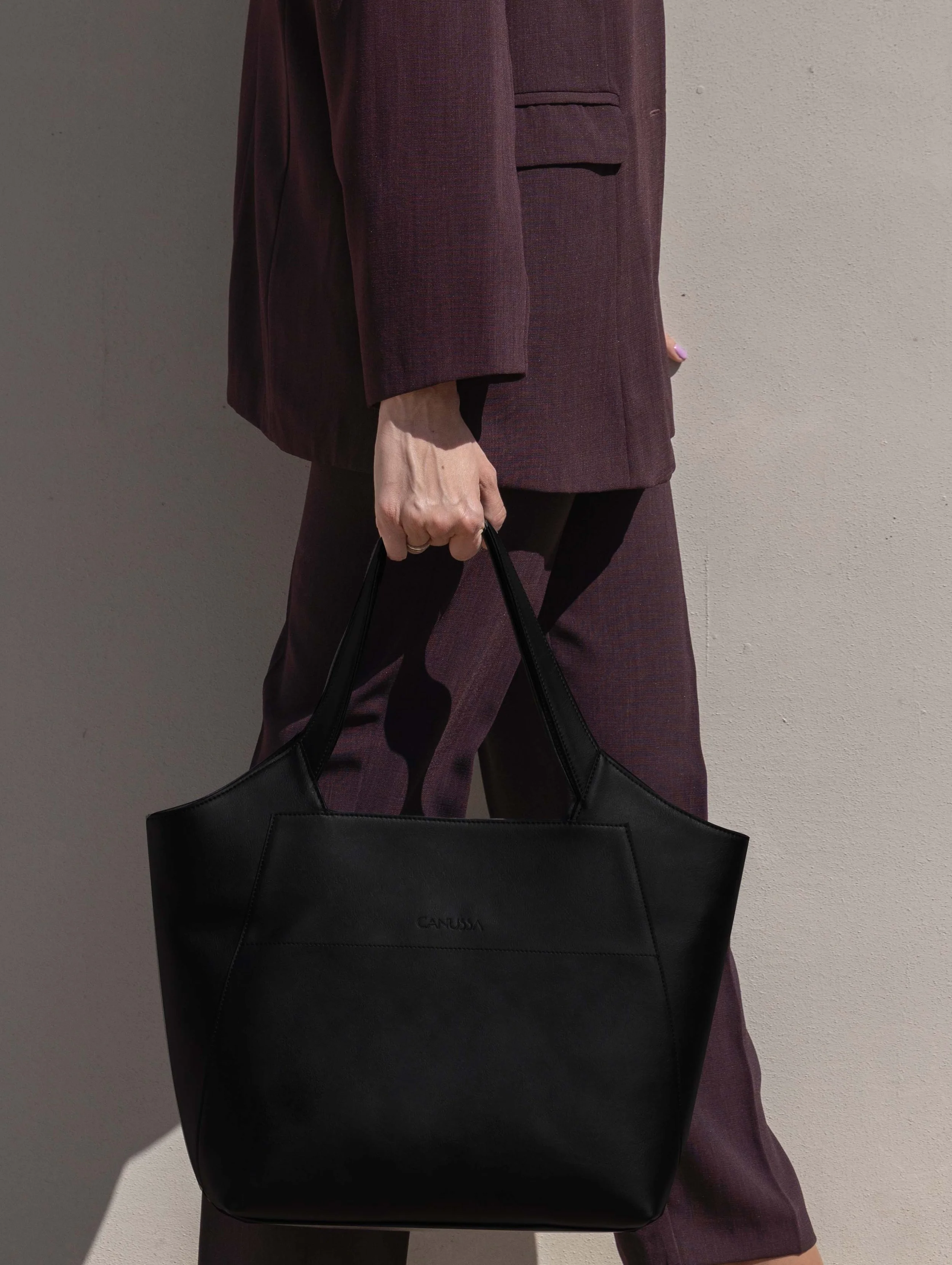
This is where brands like Canussa are leading the transition. Founded in 2017 in Spain, Canussa was created with a clear mission: to design functional, premium accessories with the lowest possible environmental impact. The brand rejects animal leather entirely, choosing instead to work with innovative vegan alternatives made from waste streams, recycled materials and natural fibres derived from palm, corn and persimmon harvest residues. These materials are selected for durability and longevity, allowing each design to withstand years of use without compromising on aesthetics.
Canussa’s commitment extends far beyond materials. All products are manufactured locally in artisan workshops across Spain, where workers receive fair conditions, and craftsmanship is valued. This approach reduces carbon emissions from transport and strengthens local economies. Their ethical foundations are externally verified: Canussa became a Certified B Corporation in 2022 with an impressive score of 102.4, and by 2025, they had raised that score to 135.1, well above the global B Corp average and a reflection of the brand’s dedication to continuous improvement. The rigorous evaluation includes governance, labour practices, environmental impact, community benefit and transparency.
The brand’s innovation arm, Canussa Lab, launched in 2023, pushes circularity even further by transforming textile and plastic waste into new products. Companies collaborate with the Lab to convert their own waste streams into durable accessories, reducing the demand for virgin materials and proving that circular design is not only possible but commercially viable. This model shifts the industry away from extraction and towards regeneration, a necessary pivot if fashion is to remain within planetary boundaries.

Canussa also champions minimalism and versatility. By designing timeless, multifunctional accessories, the brand encourages customers to buy less and use their items longer. In doing so, they challenge the notion that fashion must constantly chase novelty. Instead, their pieces are built to be reliable companions: a bag for work, a dinner with friends or a weekend away.
Letting go of leather is not simply an environmental decision, it is an ethical, social and economic one. It is a commitment to phasing out materials that depend on animal exploitation, dangerous working conditions and unsustainable resource use. But it is also a creative invitation. The future of fashion doesn’t have to imitate the past; it can improve on it.
A “beyond leather” mindset begins with small, practical steps. We can maintain and repair the items we already own, choose next-generation materials when it is time to buy something new, support brands that prioritise transparency, and explore second-hand options to reduce the demand for new production. Most importantly, we can vote with our wallets to support the companies building the next chapter of responsible fashion.
Leather has shaped human culture, but it does not need to shape our future. Thanks to innovators like Canussa, we now have alternatives that honour craftsmanship, respect people and the planet, and free animals from being commodities. The transition is already underway. The question is not whether the industry will evolve beyond leather, but how quickly we choose to follow.