
EU’s New Directive: The Future of Labelling
By Ola Yehia
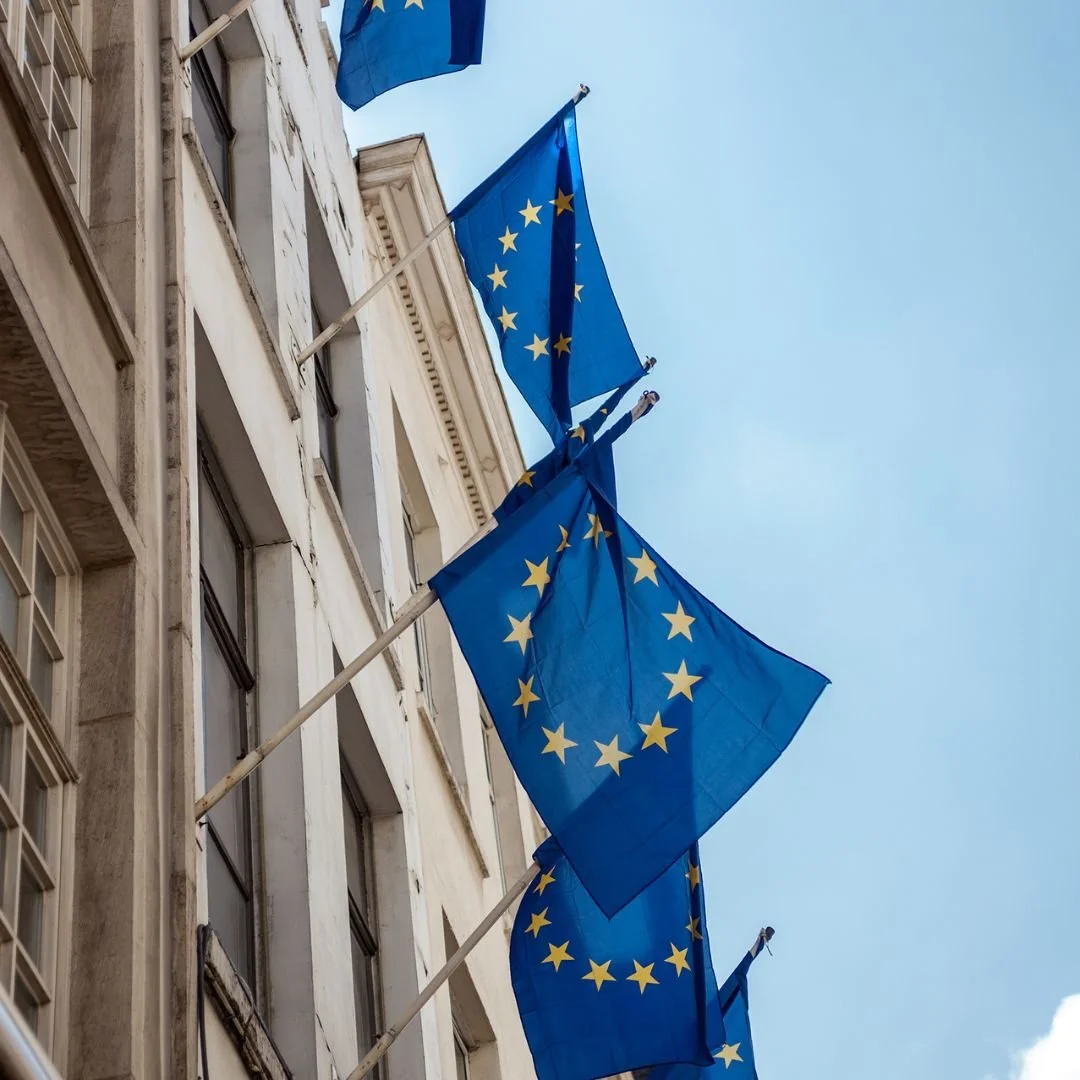
Directive on Empowering Consumers for the Green Transition (EmpCo)
In a market where sustainability is approached as both a value and a trend, many brands tend to profit from greenwashing by making generic claims about their products without evidence. The EmpCo directive aims to eliminate such unfair commercial practices that damage the sustainable economy. It empowers consumers by ensuring that information provided at sales points is authentic. According to the EmpCo, all information present on a product label related to sustainability will require approval from a third-party expert. It also prohibits repairability claims that refer to the full product when only part of it is repairable. Moreover, it protects the consumer’s rights in case the trader fails to fulfil their claims.
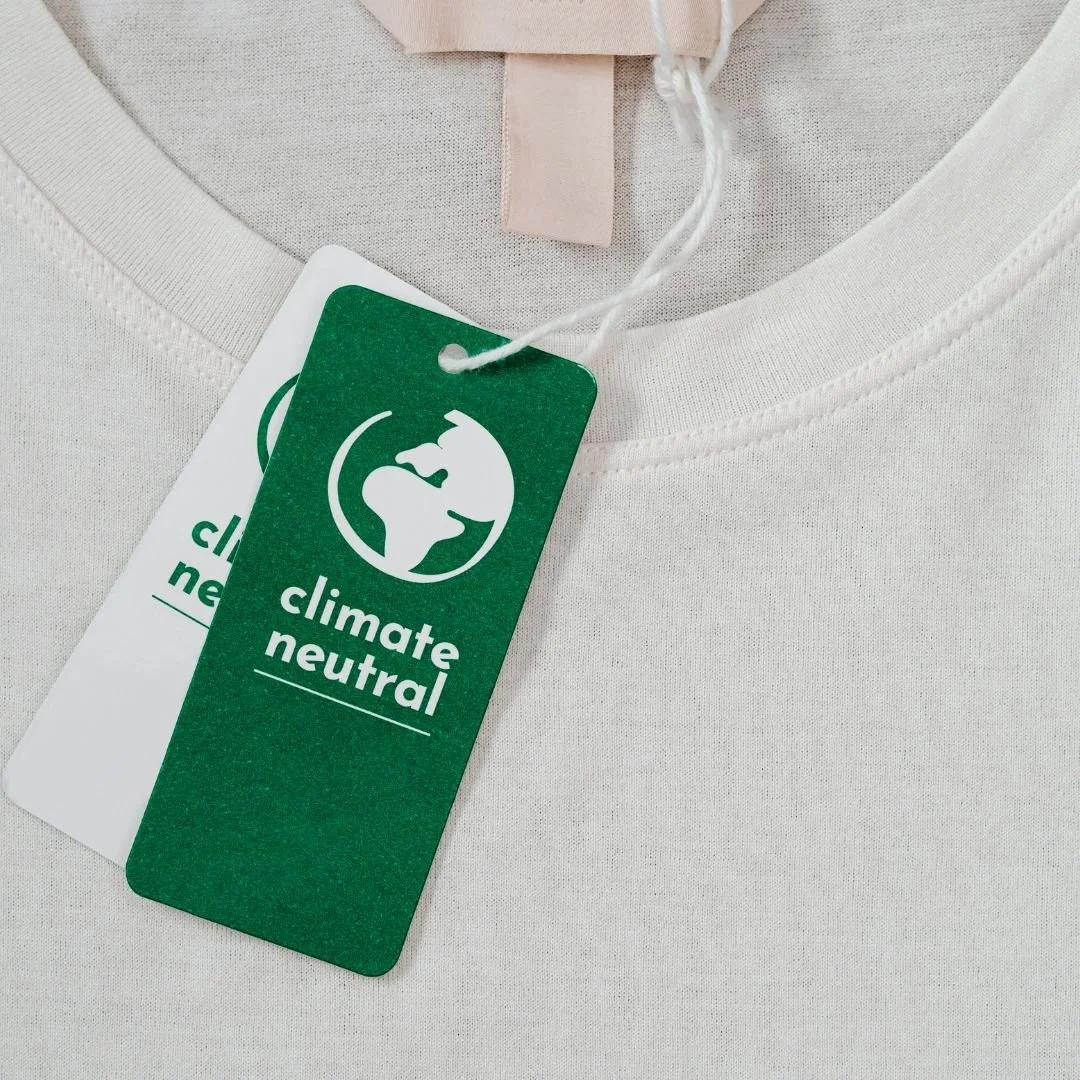
The EmpCo directive also protects the consumer from early obsolescence by requiring a minimum 2-year guarantee for any product. Furthermore, a new voluntary extension label will be introduced for product guarantees exceeding the standard of two years. This label will be dedicated to durability, equipping consumers with clear comparative data. Companies are no longer able to profit from inaccurate assumptions, such as overestimating the number of washes that a product will endure, or claiming a product is repairable when it’s not. More importantly, simply offsetting CO2 emissions is no longer considered sufficient to claim sustainability. The directive strictly states that all environmentally destructive processes will not be accepted. Hence, a company cannot claim the product has a neutral effect on the environment just because they plant some trees in compensation for their unsustainable practices.
Green Claims Directive
The Green Claims Directive branches out to state in detail the labelling laws. It put an end to misleading marketing claims. The Green Claims Directive prohibits the use of any of the generic green claims like ‘environmentally friendly’, ‘eco-friendly’, ‘green’, ‘nature’s friend’, ‘ecological’ ‘environmentally correct’, ‘climate friendly’, ‘gentle on the environment’, ‘carbon friendly’, ‘ energy efficient’, ‘biodegradable’, ‘biobased’ without proof. It protects the customer from false green claims, ensuring information provided on labels is trustworthy.
Simply, the Green Claims Directive requires companies to provide certified proof of their sustainable practices or stop labelling their products as sustainable. The Green Claims Directive aims to narrow the gap for fast fashion under the umbrella of false environmental claims, ensuring all green claims are certified and supported by clear evidence. With accurate, reliable labelling information, consumers can make informed decisions based on facts rather than marketing claims. The directive will come into force on 27 March 2026 (even though the EU legislation can, of course, change, and we are under the peak of uncertainty). Companies will be allowed a period of six months to adapt to the new regulations. A challenging but greener future. The interference of law with marketing ethics will protect both the consumer from false claims and brands from doubtful consumer behaviour. The new directives enhance the consumer’s ability to make reliable, sustainable decisions. They promote sustainability by redirecting consumer demand. The new laws require companies to verify their practices; These requirements pose challenges for small companies that may be unable to meet the requirements. However, the directive only bans generic environmental claims. If a claim is accompanied by clear, specific proof on the same medium, it’s not considered a generic claim. Therefore, small companies can still demonstrate their sustainable practices to users, but in a specific communication form. Instead of saying “climate-friendly packaging” they can state that “100% of the energy used to produce this packaging comes from renewable sources”. However, vague statements that claim general excellence without precise evidence are treated as generic claims and are therefore prohibited. Although new laws challenge companies, they will stimulate consumer loyalty. Finally, consumers will be able to trust terms like environmentally friendly, green, ecological, climate-friendly, energy efficient, or biodegradable. The EU’s new directive is pushing the market towards a greener future, drawing clear borders between the fast fashion system and the slow, sustainable fashion model. Consumers will be able to make informed decisions based on trustworthy labelling. Authentic sustainable efforts will receive the spotlight they deserve, showcasing durability and low obsolescence rates.
Conclusion
This, of course, also challenges brands and exciting label models, and it’s not pain-free for the good actors, organisations and other stakeholders working in the field of labelling and consultations. However, it is good that the market has a standard that supports and guides both consumers and producers. People can make informative decisions, and companies know what they can and cannot. Hopefully this won’t stop companies from working from greener products rather it supports them to make sure they have done the work before they make make such a claim.